The Quiet Magic of Snow
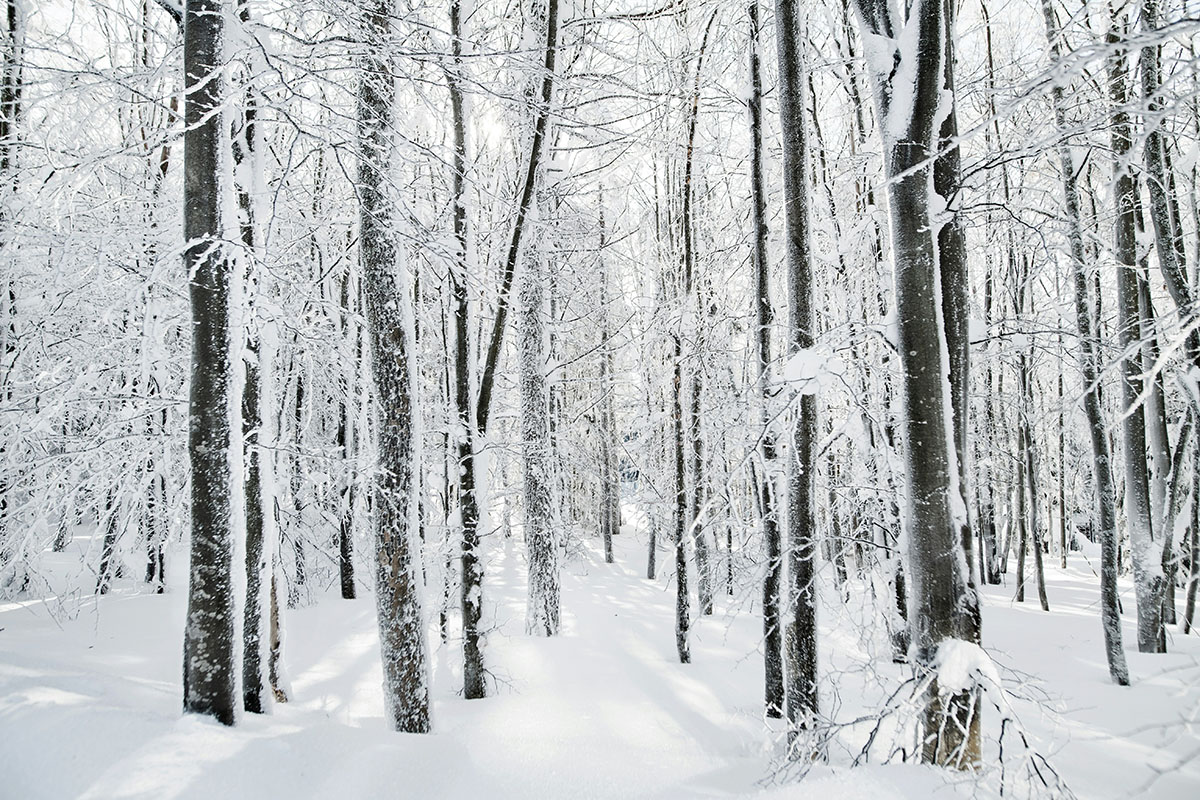
Snow has a unique way of transforming the world. Overnight, familiar streets, fields, and rooftops are softened into something almost unrecognizable. Edges blur, sounds fade, and everything seems to slow down. Snow doesn’t just change how things look—it changes how they feel.
One of the most remarkable qualities of snow is its silence. A fresh snowfall absorbs sound, creating a calm that feels rare in modern life. Cars move more cautiously, footsteps crunch gently, and conversations seem instinctively quieter. It’s as if the world collectively agrees to take a breath.
Snow also has a powerful effect on memory and emotion. For many, it brings back childhood moments: building snowmen, catching flakes on your tongue, or watching the first snow of the year from a warm window. Even for those who find snow inconvenient or cold, it often carries a sense of nostalgia and wonder.
Nature itself behaves differently under snow. Trees hold the weight of white branches, animals leave delicate tracks, and landscapes become simpler and more graphic. Colors are reduced to contrasts—white ground, dark trunks, pale skies—making the world feel almost designed rather than grown.
Of course, snow isn’t always gentle. Blizzards can disrupt travel, damage infrastructure, and remind us how powerful weather can be. Yet even in its harshest forms, snow commands respect. It forces us to slow down, plan ahead, and acknowledge forces beyond our control.
In the end, snow is a reminder of impermanence. It arrives quietly, transforms everything, and then melts away, leaving only wet ground and fading memories. Perhaps that’s why it feels so special: snow teaches us to notice the moment before it disappears.